
How to Measure Baby Clothes Flat Before Ordering Online
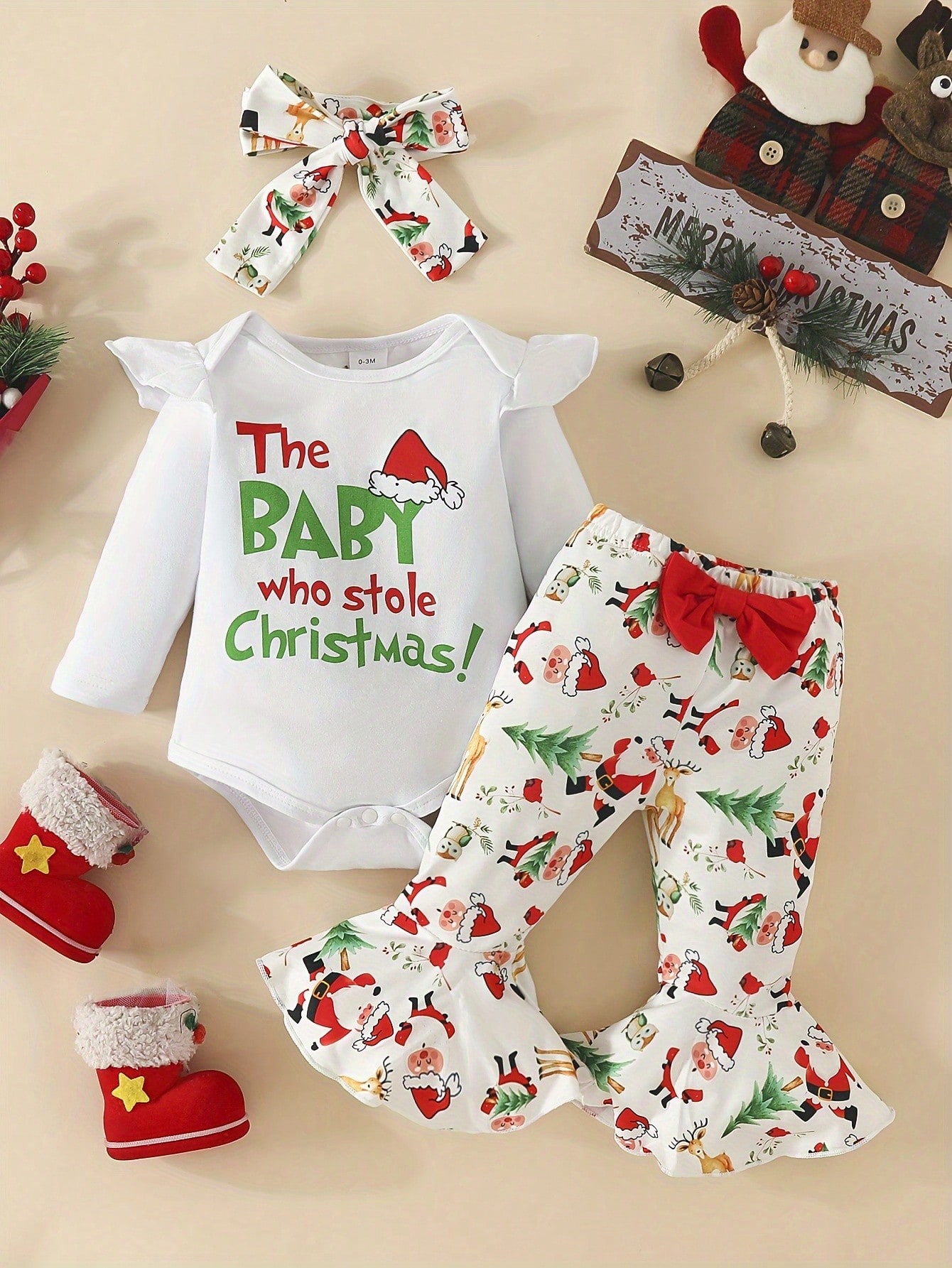
A well-fitting outfit you already own can be a useful reference when shopping online. Measuring it flat lets you compare the same kind of garment with a seller’s chart. The important step is to confirm how the seller measured: a flat width, full circumference and body measurement are different things.
Start with a comparable garment
Choose a bodysuit to compare with another bodysuit, pants with pants, and a top with a similar type of top. A loose shirt is not a direct substitute for a fitted bodysuit. Use a garment your child currently wears comfortably, in its normal washed condition.
Place it on a flat surface, close its fastenings and smooth obvious folds without pulling the fabric. Use a flexible tape and record whether your notes are in inches or centimeters. Take each measurement twice if the result looks unusual.
Measure from clearly recorded points
| Measurement | What to record | What to confirm with the seller |
|---|---|---|
| Chest width | Straight across the garment near the underarms | Flat width or full chest circumference? |
| Top or bodysuit length | The exact start and end points you used | Shoulder, neckline, hem or closed crotch? |
| Sleeve length | Seam-to-cuff distance | Shoulder seam or a different starting point? |
| Waist | Relaxed flat width | Relaxed, stretched or circumference? |
| Pants length | Waistband-to-hem or inseam, clearly labeled | Which length is listed in the chart? |
Do not mix width and circumference
A top measuring 10 inches across when flat is not the same as a 10-inch chest circumference. For a simple, symmetric garment, twice the flat width gives an approximate circumference: 10 inches across is approximately 20 inches around. That calculation is a comparison aid, not permission to reinterpret an unclear chart.
It also does not tell you the ideal body measurement. Stretch, cut and the space intended between the body and fabric affect how a garment fits. Keep body measurements and garment measurements in separate notes.
Treat elastic and length separately
Measure an elastic waistband at rest first. A stretched measurement only makes sense beside a chart that explicitly uses the same method. Do not stretch it as far as possible and assume that describes comfortable wear.
For flared pants, check overall length as well as the waist. For a skirt, use an actual skirt measurement; a pants-length value cannot stand in for skirt length. When a needed dimension is missing, ask for it rather than guessing from a photograph.
Use the product chart for the final comparison
Open the chart for the exact Christmas bodysuit set or red bow skirt outfit you want. Note any estimated values and check the method behind ambiguous labels before ordering. Our current red skirt chart does not include skirt length.
For an overview of weight references and age labels, read the baby clothes size-by-weight guide. This article covers measuring clothes; the other guide explains how to use general sizing information without treating it as a fit guarantee.
For broader context, brands such as Carter’s publish their own size charts. Use each brand’s chart for its own garments rather than transferring another brand’s size label directly to ours.